Read First
HBOT and Stroke Recovery Research — What Protocols Discuss
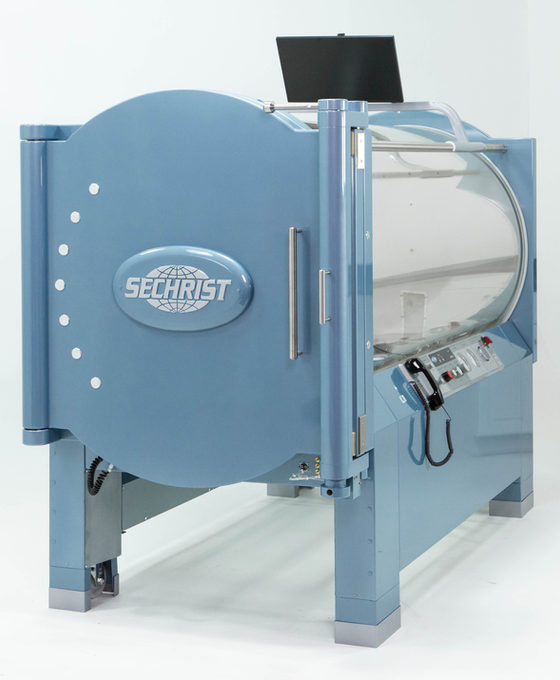
Quick answer: Published stroke-recovery research protocols typically discuss clinical HBOT pressures around 2.0 ATA under medical supervision. The evidence is debated and whether HBOT is appropriate is a medical decision — consult a qualified doctor or neurologist. If pursued clinically, the equipment is a hard (clinical) hyperbaric chamber, which TheHBOT supplies from ₹15 lakh.
Important — educational information only. This page summarises what published hyperbaric oxygen therapy (HBOT) research and clinician protocols discuss. It is not medical advice, a diagnosis, or a treatment plan, and makes no claim to treat, cure or prevent any condition. If you are considering HBOT, consult a qualified doctor. TheHBOT supplies hyperbaric chambers (equipment) — we do not provide therapy or run sessions.
Stroke recovery is among the most discussed hyperbaric topics, and there is published research exploring HBOT in rehabilitation contexts. We are careful here as everywhere: the evidence is debated, and this page does not assert that HBOT treats or reverses the effects of stroke. What we provide is an educational summary of the pressures and session structures that published protocols discuss, and then help with the equipment — supplying the hyperbaric chamber such protocols would use. We are an aggregator and manufacturer, not a clinic; clinical decisions belong with a qualified doctor or neurologist.
For a patient or family, the right first step is a qualified clinician who can advise on suitability. For a clinic, rehabilitation centre or research facility evaluating the equipment, that is our area — comparing clinical chambers across five brands, providing AERB documentation, and delivering and supporting the unit across India. Below is what published protocols describe and which chamber matches.
Summarises published research — not a claim that HBOT reverses stroke effects.
Suitability and the debated evidence are matters for a doctor or neurologist.
Clinical protocols use a hard chamber — which we source and deliver.
Facilities evaluating equipment, not patients seeking treatment.
India Pricing
The Chamber Clinical Protocols Would Use
Stroke-recovery research protocols discuss clinical pressures, which means a hard (clinical) chamber rather than a mild soft unit. Indicative India price bands:
| Chamber Type | Pressure | Primary Buyer | Indicative India Price | Get Price |
|---|---|---|---|---|
| Soft / Portable | 1.3 – 1.5 ATA | Home, wellness, athletes | ₹3.5 – 12 lakh | Enquire → |
| Hard Monoplace | 1.5 – 3.0 ATA | Clinics, hospitals | ₹15 – 40 lakh | Enquire → |
| Hospital Multiplace | 2.0 – 3.0 ATA | Hospitals, wound-care | ₹40 lakh – 1.5 crore+ | Enquire → |
For the equipment detail see the hard chamber page and Perry Baromedical systems. Read more at Hyperbaric medicine.
Product Range
Which Chamber Type Matches Research Protocols
Stroke-recovery research protocols describe clinical pressures above mild soft-chamber range — here is the comparison.
Inflatable fabric-shell units from OxyHealth and Summit to Sea. Compact, self-install.
Rigid-shell monoplace units from Sechrist for hospitals and specialist clinics.
Carry-case designs from Summit to Sea. Travel-ready for athletes and mobile practitioners.
Multiplace systems from Perry Baromedical and Fink. 2–18 patient capacity, AERB docs.
The Detail
What Published Protocols Describe — and the Equipment
What research protocols discuss (educational)
Published research exploring HBOT and stroke recovery has generally described clinical pressures around 2.0 ATA, delivered in supervised sessions over an extended course of rehabilitation. We summarise this only to inform your reading and your discussion with a clinician. It is not a recommendation, a protocol to follow, or a claim of benefit — the findings are debated and the research continues. Whether HBOT is appropriate after a stroke in any individual case is a medical judgement for a qualified doctor or neurologist, not for an equipment supplier.
Acute care versus the chronic rehabilitation window
Stroke care runs across two very different phases, and the HBOT research conversation concerns almost entirely the second. The first is acute, emergency management in the hours and days after a stroke, which happens in a stroke unit and has nothing to do with buying equipment. The second is the later, chronic rehabilitation window — sometimes months or years afterward — where a portion of the published literature has explored HBOT at around 2.0 ATA over long courses. That distinction shapes who even asks about the equipment: neuro-rehabilitation services and long-term recovery programmes rather than acute units. We raise it to orient your reading, not as a claim of benefit, which stays debated and a decision for a neurologist. Either way, a pressure near 2.0 ATA points to a hard clinical chamber.
Why this points to a hard (clinical) chamber
On the equipment side, a pressure around 2.0 ATA is well above what a mild soft chamber (1.3–1.5 ATA) provides, which points firmly to a rigid hard chamber. A single-user rehabilitation setup would use a monoplace clinical chamber such as a Sechrist; a facility treating several patients together would use a multiplace system from Perry Baromedical or Fink. Matching that pressure capability and configuration to the protocol a clinic or rehabilitation programme intends is exactly the part we help with, across five brands.
For clinics, rehab centres and research facilities
A rehabilitation centre or research facility exploring HBOT for stroke recovery is making an equipment and facility decision as much as a clinical one. Beyond the chamber there is AERB and facility planning, oxygen supply and fire safety, installation, and warranty and after-sales — covered in our compliance and AMC guides. We bring the options together, provide the documentation your facility and biomedical teams need, and coordinate delivery and installation across India. Clinical protocols, patient selection and outcomes remain entirely with your medical and research teams.
Honesty about a debated area
Stroke recovery attracts strong claims from some quarters, and we deliberately avoid them. We do not state that HBOT treats, cures or reverses the effects of a stroke, and we would be cautious of any supplier who does. Our position is consistent throughout this site: the evidence is debated, the decision is medical, and our role is limited to supplying the equipment honestly if qualified clinicians decide to pursue HBOT. For a family considering home use, we would urge a clinical conversation with a neurologist first rather than an equipment purchase.
How we help — equipment only
To be clear: TheHBOT.com supplies hyperbaric chambers and builds them to specification on demand. We compare OxyHealth, Sechrist, Summit to Sea, Perry Baromedical and Fink, source genuine units, and deliver, install and support them across India. We do not provide therapy, run sessions, diagnose, or make outcome claims. If a clinic, rehab centre or research facility, led by qualified clinicians, decides to pursue HBOT, tell us the clinical pressures your protocol calls for, your capacity and city, and we will recommend the best-fit chamber and return a delivered India price, usually within one business day.
Buying Guide
If You're Evaluating the Equipment
For a clinic, rehab centre or research facility, tell us these to specify the right chamber.
Clinical pressures — What ATA does your protocol call for (per your clinicians)?
Capacity — Single-patient monoplace, or multiplace?
Setting — Clinic, rehab centre or research facility?
Compliance — AERB and facility documentation needed?
City — Where should we deliver and install?
Explore Pricing & Options
Compare Before You Buy
Continue to the page that matches where you are in your decision.
Quick Reference
What Research Protocols Describe (Educational)
| Aspect | What Published Research Discusses |
|---|---|
| Typical pressure | Around 2.0 ATA (clinical, supervised) |
| Evidence status | Researched but debated |
| Equipment involved | Hard (clinical) chamber — monoplace or multiplace |
| Relevant brands | Sechrist, Perry Baromedical, Fink |
| India price (equipment) | From about ₹15 lakh |
| Our role | Supply the chamber — not therapy or claims |
FAQ
HBOT for Stroke Recovery — FAQs
Educational answers about the research and the equipment. Not medical advice.