Read First
HBOT for Wound Healing — What It Involves
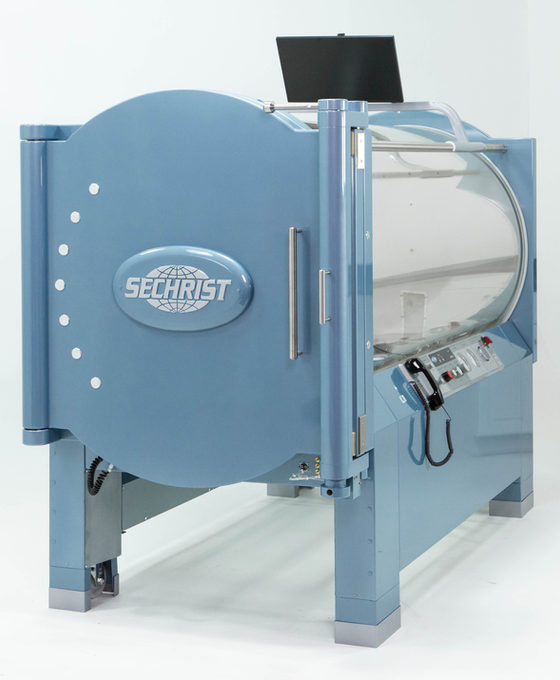
Quick answer: HBOT for wound healing means delivering oxygen at raised pressure inside a hyperbaric chamber; published clinical protocols for chronic wounds typically discuss pressures around 1.5–2.4 ATA. This is educational information, not medical advice — consult a qualified doctor. If HBOT is pursued clinically, the equipment needed is a hard (clinical) hyperbaric chamber, which TheHBOT supplies from ₹15 lakh.
Important — educational information only. This page summarises what published hyperbaric oxygen therapy (HBOT) research and clinician protocols discuss. It is not medical advice, a diagnosis, or a treatment plan, and makes no claim to treat, cure or prevent any condition. If you are considering HBOT, consult a qualified doctor. TheHBOT supplies hyperbaric chambers (equipment) — we do not provide therapy or run sessions.
Hyperbaric oxygen therapy (HBOT) is among the longer-established uses of a hyperbaric chamber, and wound healing — particularly slow-healing or chronic wounds — is one of the areas discussed in published clinical literature. Our purpose on this page is narrow and honest: to explain, for general education, what HBOT for wound healing involves, and then to help with the part we are actually qualified for — supplying the hyperbaric chamber (the equipment) that a clinical programme would use. We are a multi-brand aggregator and on-demand manufacturer, not a clinic; we do not diagnose, treat, or run sessions.
If you are a patient, the right first step is always a qualified doctor, who can advise whether HBOT is appropriate for your situation. If you are a clinic, hospital or wound-care facility evaluating HBOT as a service, the equipment decision is where we help — comparing chambers across five brands, arranging AERB documentation, and delivering and supporting the unit across India. The rest of this page covers what published protocols typically describe and which chamber matches, with sources to read further.
Summarises published protocols — not a diagnosis or treatment plan.
Whether HBOT suits you is a medical decision for a qualified doctor.
Clinical wound protocols use a hard chamber — which we source and deliver.
Clinics and hospitals: we compare, document and install the chamber.
India Pricing
The Chamber a Wound-Care Programme Would Use
Published wound-healing protocols describe clinical pressures, which means a hard (clinical) chamber rather than a mild soft unit. Indicative India price bands:
| Chamber Type | Pressure | Primary Buyer | Indicative India Price | Get Price |
|---|---|---|---|---|
| Soft / Portable | 1.3 – 1.5 ATA | Home, wellness, athletes | ₹3.5 – 12 lakh | Enquire → |
| Hard Monoplace | 1.5 – 3.0 ATA | Clinics, hospitals | ₹15 – 40 lakh | Enquire → |
| Hospital Multiplace | 2.0 – 3.0 ATA | Hospitals, wound-care | ₹40 lakh – 1.5 crore+ | Enquire → |
For the equipment detail see the hard chamber page and the chamber for wound care facility guide. Read more on HBOT generally at Hyperbaric medicine.
Product Range
Which Chamber Type Matches Clinical Protocols
Clinical wound-healing protocols describe higher pressures than mild home units provide — here is how the types compare.
Inflatable fabric-shell units from OxyHealth and Summit to Sea. Compact, self-install.
Rigid-shell monoplace units from Sechrist for hospitals and specialist clinics.
Carry-case designs from Summit to Sea. Travel-ready for athletes and mobile practitioners.
Multiplace systems from Perry Baromedical and Fink. 2–18 patient capacity, AERB docs.
The Detail
What Published Protocols Describe — and the Equipment
What HBOT for wound healing involves (educational)
In broad terms discussed in published HBOT literature, hyperbaric oxygen therapy places a person inside a sealed chamber and raises the pressure so that more oxygen is taken in than at normal atmospheric pressure. For wound-related protocols, sources typically describe clinical pressures in the region of 1.5–2.4 ATA, delivered in sessions under medical supervision. We present this only to inform your reading and your conversation with a doctor; it is not a recommendation, a protocol for you to follow, or a claim that HBOT will heal any particular wound. Whether HBOT is appropriate in any individual case is a medical judgement, and that is a matter for a qualified clinician, not for an equipment supplier.
Why this points to a hard (clinical) chamber
The practical, equipment-side consequence of those published pressures is straightforward: clinical wound protocols describe pressures above what a mild soft chamber (1.3–1.5 ATA) can provide, which points to a rigid hard chamber capable of clinical pressures up to around 3.0 ATA. That means a monoplace clinical chamber from a maker such as Sechrist for a single-patient setup, or a multiplace system from Perry Baromedical or Fink where a facility treats several people together. This is squarely the part we can help with: matching the chamber's pressure capability and configuration to the clinical use your programme is planning, across five brands rather than one.
Equipment, compliance and installation for a facility
A clinic or hospital adding an HBOT capability is making an equipment and facility decision as much as a clinical one. Beyond the chamber itself, there is AERB and facility planning, oxygen supply and fire safety, installation and commissioning, and warranty and after-sales — the same considerations covered in our compliance and AMC guides. As an aggregator we bring the chamber options together, provide the technical documentation your facility and biomedical teams need, and coordinate delivery and installation across India. What we deliberately do not do is advise on clinical protocols or patient care — that stays with your medical team and qualified advisers.
Owning the chamber versus other routes
For a facility that expects to run wound-care HBOT regularly, owning the chamber is usually the sensible route: you control access and scheduling, and you hold a long-life asset rather than paying per use elsewhere. Our payback calculator lets you model that for your own numbers. For an individual patient, by contrast, HBOT under a wound-care protocol is something to discuss with your doctor and a clinical provider first — buying a clinical chamber for home use is rarely the right answer, and we will say so honestly rather than sell you equipment you do not need.
How we help — equipment only
To be completely clear about our role: TheHBOT.com supplies hyperbaric chambers and, where useful, builds them to specification on demand. We compare OxyHealth, Sechrist, Summit to Sea, Perry Baromedical and Fink, source genuine units, and deliver, install and support them across India. We do not provide therapy, run sessions, diagnose, or make claims about outcomes. If you or your facility, guided by a qualified doctor, decide to pursue HBOT for wound care, tell us the clinical pressures your protocol calls for, your capacity and your city, and we will recommend the best-fit chamber and return a delivered India price — usually within one business day.
Buying Guide
If You're Evaluating a Chamber
For a facility considering wound-care HBOT equipment, tell us these and we can specify the right chamber.
Clinical pressures — What ATA does your protocol call for (per your doctors)?
Capacity — Single-patient monoplace, or multiplace for several?
Setting — Clinic, hospital or wound-care centre?
Compliance — AERB and facility documentation needed?
City — Where should we deliver and install?
Explore Pricing & Options
Compare Before You Buy
Continue to the page that matches where you are in your decision.
Quick Reference
What Published Protocols Describe (Educational)
| Aspect | What Published Protocols Discuss |
|---|---|
| Typical pressure | Around 1.5 – 2.4 ATA (clinical, supervised) |
| Setting | Under medical supervision, per a doctor |
| Equipment needed | Hard (clinical) chamber — monoplace or multiplace |
| Relevant brands | Sechrist, Perry Baromedical, Fink |
| India price (equipment) | From about ₹15 lakh |
| Our role | Supply the chamber — not therapy or diagnosis |
FAQ
HBOT for Wound Healing — FAQs
Educational answers about the therapy and the equipment. Not medical advice.