The Mechanism
How Hyperbaric Oxygen Therapy Works
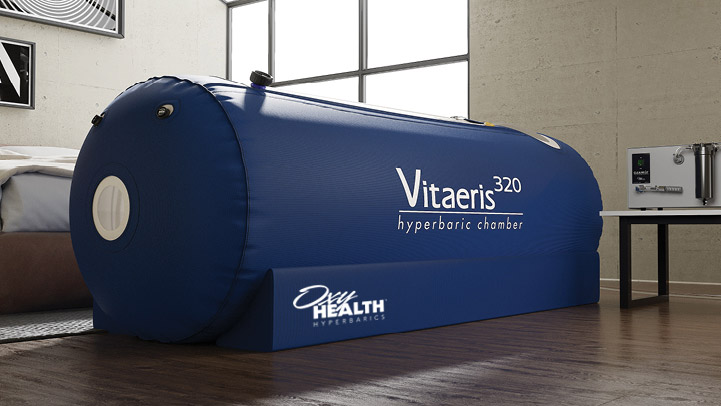
Quick answer: HBOT works by raising the air pressure inside a sealed chamber, which lets the body take in more oxygen than at normal pressure. Soft chambers reach 1.3–1.5 ATA; hard chambers 2.0–3.0 ATA. The chamber, compressor and controls are the equipment we supply, from ₹3.5 lakh.
Hyperbaric oxygen therapy works on a simple physical principle: inside a sealed chamber, a compressor raises the surrounding air pressure above the normal 1.0 ATA, and the person breathes oxygen in that pressurised environment. Under higher pressure, more oxygen dissolves into the blood plasma, not only the red blood cells, so oxygen is carried more readily around the body. The raised pressure is the mechanism; the oxygen is what is being delivered.
This page explains that mechanism at a factual, physical level, without making medical claims about outcomes. The key practical point is that the mechanism depends entirely on a chamber that can seal and pressurise — a hyperbaric chamber. TheHBOT.com sells those chambers, from soft home units at ₹3.5 lakh to clinical systems. For the recognised clinical applications of HBOT, refer to qualified sources such as the Undersea and Hyperbaric Medical Society and consult a professional.
A compressor raises chamber pressure above the normal 1.0 ATA.
Under pressure, more oxygen dissolves into the blood plasma.
Only a sealed chamber can create the pressure the mechanism relies on.
The equipment that makes the mechanism work — sold across India.
India Pricing
The Chamber That Makes It Work — By Type
The mechanism needs a pressurising chamber. Here is what one costs by type.
| Chamber Type | Pressure | Primary Buyer | Indicative India Price | Get Price |
|---|---|---|---|---|
| Soft / Portable | 1.3 – 1.5 ATA | Home, wellness, athletes | ₹3.5 – 12 lakh | Enquire → |
| Hard Monoplace | 1.5 – 3.0 ATA | Clinics, hospitals | ₹15 – 40 lakh | Enquire → |
| Hospital Multiplace | 2.0 – 3.0 ATA | Hospitals, wound-care | ₹40 lakh – 1.5 crore+ | Enquire → |
Start with what HBOT is, or see how a chamber works.
Product Range
Chambers That Deliver the Mechanism
Soft chambers for mild pressure; hard chambers for clinical pressure.
Inflatable fabric-shell units from OxyHealth and Summit to Sea. Compact, self-install.
Rigid-shell monoplace units from Sechrist for hospitals and specialist clinics.
Carry-case designs from Summit to Sea. Travel-ready for athletes and mobile practitioners.
Multiplace systems from Perry Baromedical and Fink. 2–18 patient capacity, AERB docs.
The Science
The Physics and Physiology, Simply
Pressure and dissolved oxygen
The core physics behind HBOT is the relationship between pressure and how much gas a liquid can hold. At normal sea-level pressure, most oxygen in the blood is carried by red blood cells, which are already nearly saturated. When the ambient pressure is raised inside a chamber, more oxygen dissolves directly into the blood plasma — the fluid part of the blood — increasing the total oxygen carried. This is a straightforward physical effect of pressure, the same principle that governs how gases dissolve under pressure generally. The higher the pressure, up to the limits a chamber is rated for, the more oxygen can dissolve. This is why pressure, not just oxygen, is central to how HBOT works.
Why the chamber is essential
The mechanism cannot happen without a sealed, pressurisable space, which is exactly what a hyperbaric chamber provides. A soft chamber raises pressure to 1.3–1.5 ATA using a fabric shell and compressor; a hard chamber reaches 2.0–3.0 ATA with a rigid, certified hull. The chamber seals the person in, the compressor raises the pressure, and controls maintain it safely for the duration. Devices that only supply oxygen at normal pressure — like concentrators — cannot reproduce this, because they do nothing to pressure. So understanding the mechanism makes the equipment requirement clear: HBOT works because of the chamber, and the chamber is what you buy to do it.
Mild versus clinical pressure
How far the pressure is raised distinguishes mild from clinical HBOT, and therefore the chamber. Mild hyperbaric use at 1.3–1.5 ATA relies on the same basic mechanism at a gentler pressure, and uses a soft chamber suited to home and wellness. Clinical HBOT at 2.0 ATA and above raises the pressure further, requires a rigid hard chamber, and is used in medical settings under supervision. We keep this description at the level of physics and equipment; for which pressures apply to recognised clinical uses, consult qualified sources such as the Undersea and Hyperbaric Medical Society and a professional. The takeaway for a buyer is that the pressure you need decides the chamber you buy.
From the mechanism to the equipment
Once the mechanism is clear — pressure raises dissolved oxygen, and only a chamber creates that pressure — choosing equipment is straightforward. As a multi-brand aggregator we match the chamber to your intended use and pressure: a soft chamber from ₹3.5 lakh for mild home and wellness use, or a hard chamber for clinical pressure. We handle sourcing, delivery, installation where required and support across India. Tell us how you intend to use it and we will recommend the right chamber and return a delivered India price. Because we sell the equipment, our focus is simply ensuring that, if you want the mechanism, you own a genuine chamber that delivers it.
Buying Guide
Want to Do HBOT? — 5 Things to Consider
Answer these and we will point you to the right chamber.
Intended use — Home wellness and recovery, or clinical?
Pressure — Mild 1.3–1.5 ATA, or clinical 2.0 ATA+?
Setting — Home, wellness, clinic or hospital?
Budget — Chambers from ₹3.5 lakh.
City — Where should we deliver?
Explore Pricing & Options
Compare Before You Buy
Continue to the page that matches where you are in your decision.
Quick Reference
How HBOT Works — the Basics
| Step | What Happens |
|---|---|
| 1. Seal | You rest inside a sealed hyperbaric chamber |
| 2. Pressurise | A compressor raises pressure to 1.3 – 3.0 ATA |
| 3. Oxygenate | The body takes in more oxygen at higher pressure |
| 4. Depressurise | Pressure is gently returned to normal to finish |
FAQ
How HBOT Works — FAQs
Common questions about the mechanism and equipment.